What to Look for in a Pediatric Dentist in Hamilton, NJ
A good pediatric dentist in Hamilton, NJ has specific training in treating children, not just a general dentistry background, along with a calm approach to behavior guidance, safety protocols built for smaller patients, and a habit of keeping parents genuinely informed. Mt. Brushmore Pediatric Dentistry is built around each of those specifically, rather than treating kids as smaller adults.
"Good" gets used loosely when people search for a "dentist near me," but it's not a standard you can really judge a practice by before your first visit. A few concrete things actually separate a pediatric dentist genuinely equipped for kids from a general dentist who simply happens to see children too.
Pediatric-Specific Training
A general dentist can treat kids, but a pediatric dentist has completed additional years of residency specifically focused on children's oral development, behavior, and the unique way kids' teeth and jaws grow. That extra training covers things a general dentistry degree doesn't - how to manage a toddler who won't open their mouth, how early orthodontic issues show up before permanent teeth even come in, and how to spot problems specific to growing mouths. It's worth asking directly whether a dentist has this pediatric-specific training, rather than assuming any dentist who's "good with kids" has it.
Behavior Guidance
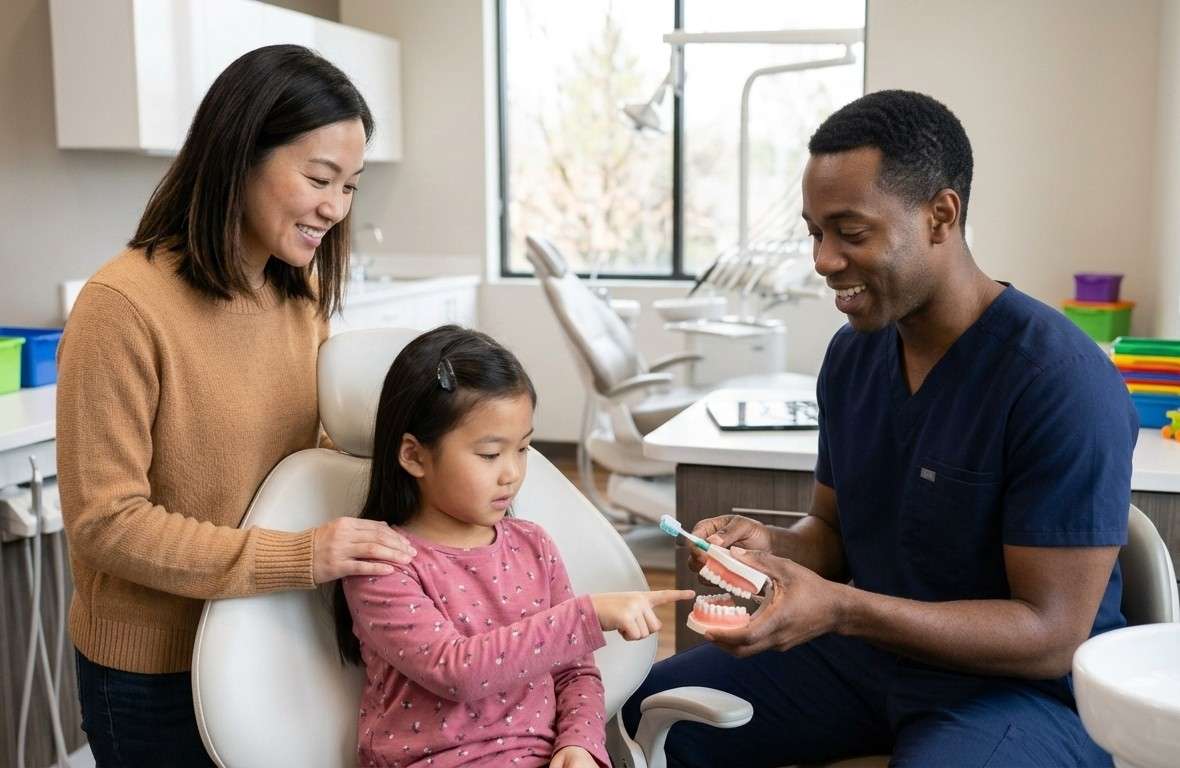
Patience is necessary, but it's not the same as having an actual approach to behavior guidance. A pediatric dentist worth choosing has specific techniques for helping a nervous or resistant child get through an exam - explaining each step before it happens, using distraction appropriately, and knowing when to pause versus push forward. Mt. Brushmore Pediatric Dentistry's kid-focused environment and staff approach are built around exactly this kind of behavior guidance, not just a generally friendly demeanor.
Safety Built for Smaller Patients
Equipment, dosing, and protocols that work fine for an adult aren't automatically safe or appropriate for a child. A good pediatric dentist uses instruments sized for smaller mouths and follows dosing guidelines specifically calibrated for a child's weight and age when sedation is involved. This is one of the clearest differences between a pediatric specialist and a general dentist who occasionally treats children - the safety margins are built around kids from the start, not adapted on the fly.
Communicating With Parents
A good pediatric dentist treats parents as part of the care team, not bystanders in the waiting room. That means explaining findings clearly after an exam, being upfront about whether something like early orthodontic intervention is actually necessary or just an option worth watching, and answering questions without rushing. This kind of communication is part of what our team builds into every visit, from a child's first cleaning through more involved restorative or orthodontic care.
Care That Grows With the Child
A good pediatric dentist should also be equipped to handle a child's needs as they grow, not just the easy early years. Preventive care for a toddler looks very different from managing a teenager's orthodontic needs, and a practice that can do both consistently saves a family from switching dentists partway through childhood.
See the Difference in a Visit
The clearest way to judge whether a pediatric dentist is actually good is to bring your child in and watch how the visit unfolds. Mt. Brushmore Pediatric Dentistry is currently accepting new patients in Hamilton, with same-day appointments available for urgent situations. Call 609-422-4700 or book online to schedule your child's visit.
Frequently Asked Questions
Yes - a pediatric dentist has completed additional specialized training in children's oral development and behavior guidance that a general dentistry degree doesn't cover.
Ask about behavior guidance techniques, sedation protocols specific to children, and how the team handles a child who's anxious or resistant during an exam.
Most guidance points to a child's first birthday or whenever their first tooth appears, whichever comes first, so early issues can be caught before they become bigger problems.
Yes - sedation options and a behavior-guidance approach are both part of how the practice handles anxious or sensitive children.
Yes - the practice covers preventive, restorative, and orthodontic care across childhood and into the teen years, so families don't need to switch practices as needs change.